
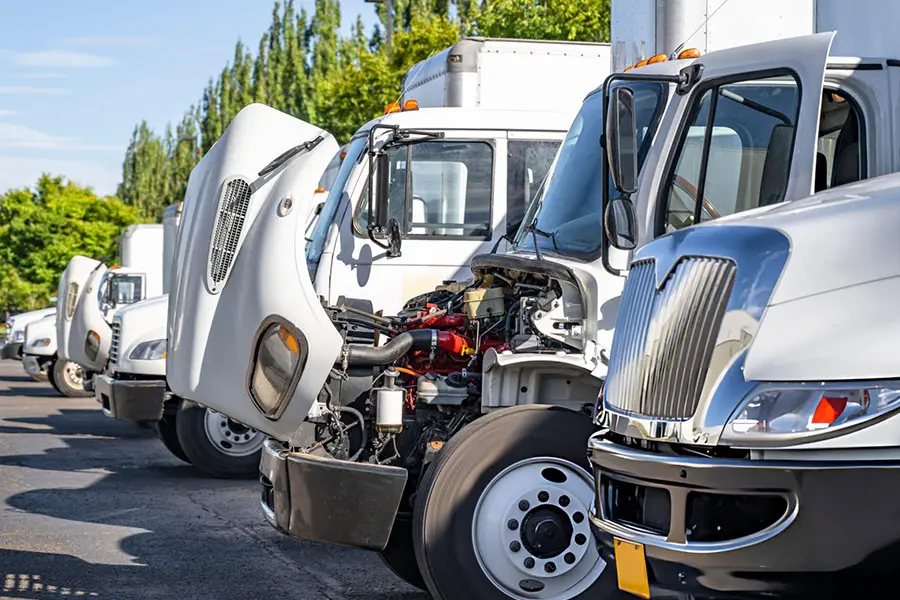
Every minute a truck sits idle, your business is losing money. For fleet operators, owner-operators, and transportation companies, downtime is more than an inconvenience—it directly impacts revenue, customer satisfaction, operational efficiency, and long-term growth. Whether it's an unexpected breakdown, delayed repairs, or missed maintenance intervals, truck downtime can quietly erode profitability.
The good news is that many downtime-related losses are preventable. With proactive maintenance, efficient repair strategies, and proper fleet management, businesses can reduce costly delays, improve vehicle reliability, and protect their bottom line. In this guide, we break down the true cost of truck downtime and share practical ways to keep your fleet moving.
Truck downtime costs refer to the financial losses incurred when a truck is unavailable for operation. These costs include both direct expenses and indirect impacts that can affect overall fleet performance and profitability.
Even a short period of downtime can create ripple effects throughout your operation, affecting profitability and customer service.
Every hour a truck is off the road represents missed earning potential. For fleets operating on tight schedules, even a single day of downtime can result in significant lost revenue.
Unexpected repairs often cost more than scheduled maintenance. Emergency service calls, expedited parts orders, and unplanned labor expenses can quickly increase operating costs.
When one truck is out of service, other vehicles may need to absorb additional workload. This can increase wear and tear across the fleet and raise the risk of future breakdowns.
Missed deadlines and delayed deliveries can affect customer trust. Reliability is a critical factor in transportation and logistics, making uptime essential for maintaining strong client relationships.
Understanding the most common causes of downtime is the first step toward reducing it.
Environmental conditions, seasonal weather, and demanding operating schedules can also contribute to increased breakdown risks, making preventive maintenance essential for fleet reliability.
Consider a truck that generates approximately $1,000 in daily revenue. If that vehicle is out of service for three days due to a repair delay, the costs can quickly add up:
When multiplied across multiple vehicles, downtime becomes one of the most significant operational expenses a fleet can face.
Routine inspections and scheduled servicing help identify potential issues before they develop into costly breakdowns.
Modern fleet management systems can track vehicle performance, schedule maintenance, and provide valuable insights into vehicle health.
Drivers often notice issues first. Encouraging prompt reporting of unusual noises, warning lights, or performance changes can help prevent major repairs.
Working with a trusted truck repair provider ensures faster diagnostics, quality repairs, and reduced downtime.
Keeping commonly needed components available can reduce delays caused by parts shortages and supply chain disruptions.
Reducing downtime requires a proactive approach to fleet maintenance and operations.
These practices help improve reliability, extend vehicle lifespan, and reduce overall operating costs.
Today's transportation industry operates on tighter schedules, higher customer expectations, and increasing operational costs. Every truck on the road plays a critical role in maintaining productivity and profitability.
Fleet operators who prioritize uptime gain a competitive advantage through improved reliability, stronger customer relationships, and increased revenue opportunities.
Downtime can cost hundreds or even thousands of dollars per day per truck when lost revenue, repair expenses, and operational disruptions are considered.
Common causes include engine failures, brake issues, electrical problems, tire failures, and inadequate maintenance practices.
Regular preventive maintenance, driver training, fleet management technology, and prompt repairs are among the most effective ways to reduce downtime.
Yes. Preventive maintenance typically costs far less than emergency repairs and helps avoid expensive operational disruptions.
Late deliveries and service disruptions can damage customer relationships, reduce trust, and impact future business opportunities.
Truck downtime is one of the biggest threats to fleet profitability, but it can be effectively managed with the right maintenance and repair strategy. By reducing downtime, improving reliability, and addressing issues before they escalate, fleet operators can protect revenue and keep operations running smoothly.
Don't let avoidable downtime impact your bottom line. A proactive approach to fleet maintenance and repair can help maximize uptime and keep your trucks on the road.
Contact Fleetbarn today to schedule expert truck repair and fleet maintenance services and keep your fleet operating at peak performance.
3781 Sullivant Ave,
Columbus, OH 43228
614.812.BARN (2276)
Email Inquiries
General: info@fleetbarn.com
Service: service@fleetbarn.com
Accounting: acct@fleetbarn.com
We accept Cash, EFS Checks, Comcheks, and all major Credit Cards

© 2025 Copyrights. All Rights Reserved.